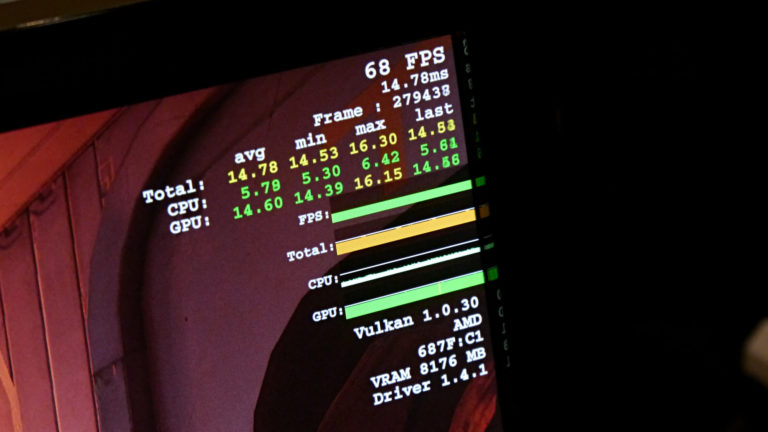
The next generation of AMD high-end graphics cards based on the Vega architecture has already been presented at an event that took place in Sonoma, California, earlier this week. The architecture will debut with the Radeon Instinct MI25 geared towards deep learning as a GPU accelerator, but they also showed a prototype of the Vega commercial GPU running the Doom 2016 at Ultra HD resolution with the graphic settings to the maximum while maintaining more than 60 FPS stable.
68 Average FPS and no drops is the result of the benchmark made by AMD in the demonstration, not bad considering it is a prototype, with unpolished drivers, and was running a relatively new game at Ultra HD resolution and graphics maxed out. Of course, it should be noted that the demonstration was performed using the Vulkan graphical API on which AMD collaborates.
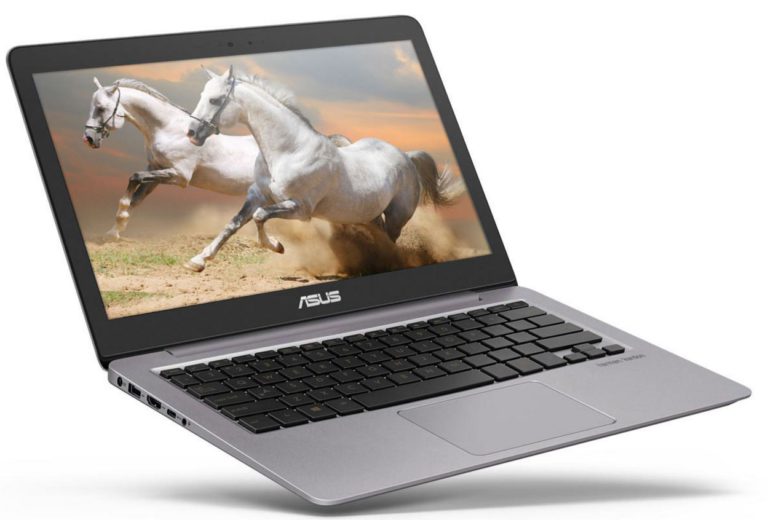
Lately, some of Asus decisions, especially on its marketing and sales departments are being questioned, specifically the prices they have put some of their products. But it seems that there is something else that is not working well in the brand as they have just announced the launch of their new UltraBook Asus ZenBook UX310UQ which, again, uses a past generation graphics card.
This may come as a surprise to you but it’s not the first time Asus does it, because in September we were criticizing the launch of the ROG Strix GL553VW, a gaming laptop using a GTX 960M. Now, three months later, Asus repeats the move and although both NVIDIA and AMD already have two new generations of graphics cards, in which Asus actively participates for the desktop models, the manufacturer seems stuck in the year 2015 as far as portable hardware is concerned.
The Asus ZenBook UX310UQ is presented as the most powerful ultrabook of the brand. It has a screen size of 13.3 inches with Full HD resolution, and it is notable for its thinness (measuring 18.35mm thick) and its weight (weighs 1.4kg). This slim and lightweight ultrabook is powered by an Intel Core i5-6260U dual-core processor, 8GB of DDR4 RAM, a 256GB SSD, and boasts of incorporating “spectacular graphics” (literal words from its website) thanks to its NVIDIA GeForce 940MX graphics card with 2GB of dedicated memory.
Is it better to use two monitors or one large one? Is a panoramic monitor practical? What are the pros and cons? What do I need? What are the recommended applications for each solution? These are some of the questions that users ask themselves when putting together their setup for work or play.
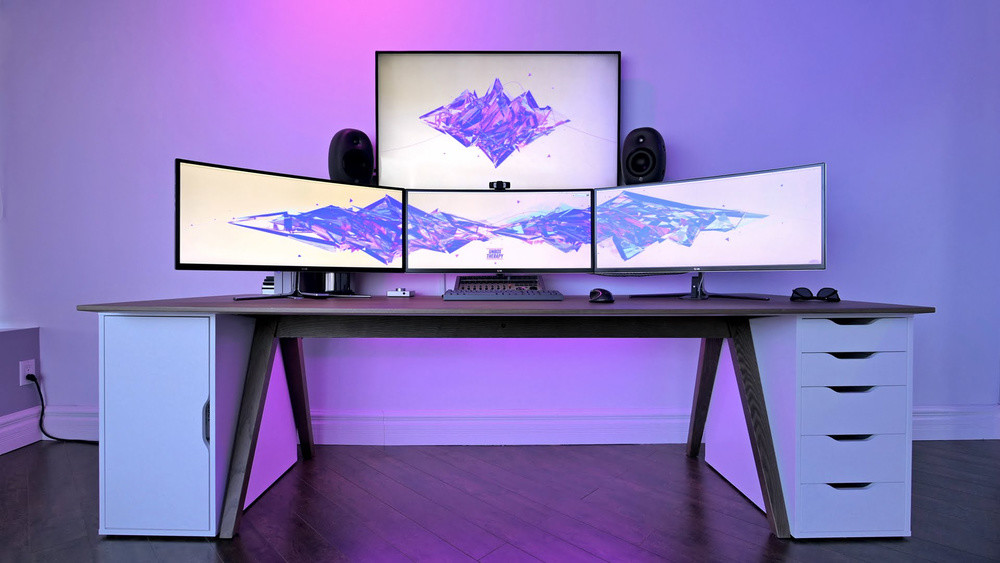
Through the years, I’ve tested several configurations, multi-monitor as well as with only one. They’re all interesting although, depending on the moment or application, some can be better suited than others, I’ll tell you about my experience with multi-monitor setups.
Working with multiple monitors: pros and cons
Everything has its pros and cons, nothing is perfect which means there is no universal solution. We all must find the most practical and useful solution for our needs, be it for work or play.
Using two or more monitors has its pros and cons, but it will be on the user to fully take advantage of it.
When you work with multi-monitor setups you will find pros and cons. I would only recommend using one monitor if it has a 1440p resolution or higher. If not, I can manage but there will be a lack of workspace. Anyway, when using several monitors, you have to keep in mind things like resolution but also size and aspect ratio. But let’s talk about the pros and cons of a multi-monitor setup.
The AOC P2778VC monitor is a 27-inch model with a PLS panel of 1920 x 1080 pixels resolution, with 178 degrees of horizontal and vertical viewing angles, 5ms GtG response time and a dynamic contrast ratio of 20,000,000:1. It offers two HDMi 1.3 inputs and a VGA. However, what makes it special is that, on …
With the launch of its new Macbook Pro, for which Apple has taken longer than usual, prices have been revised upwards, the cheapest model being up to 200 dollars more expensive than the models of the beginning of 2015. A price increase that also comes with improvements, but we can have many of them with alternatives from different PC manufacturers.
Today we’ll mention some of these options that go from classic designs to more modern models with more versatile configurations. Great options that will allow us to have a PC as good or better than Apple’s new Macbook Pro.
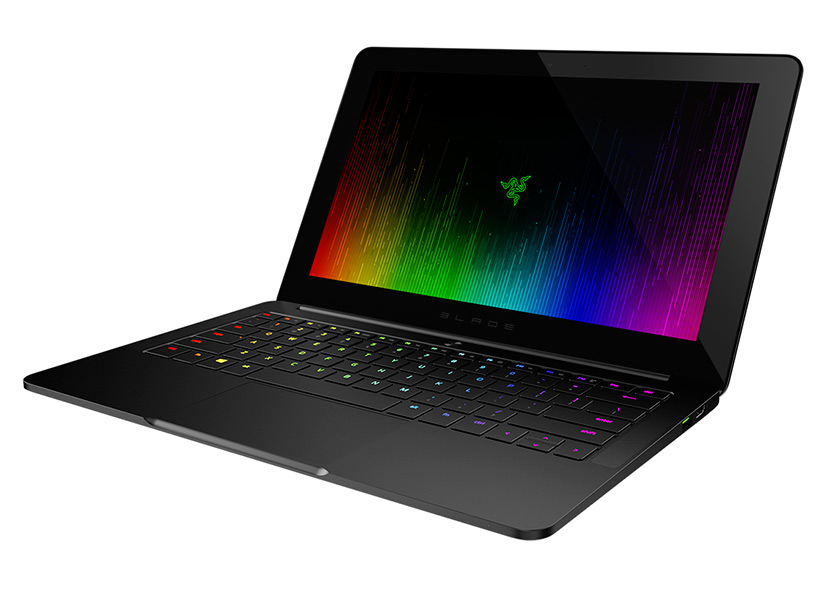
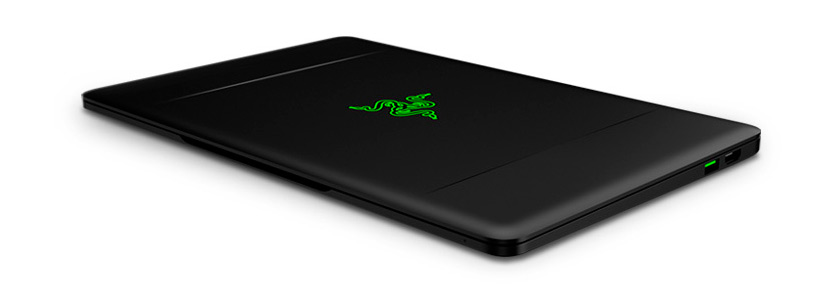
Razer Blade Stealth
One of the most attractive options can be found in the hands of Razer, In fact, no matter how much it bothers some Apple users, the design on the new Macbook is pretty similar to this model. It is thin and it has high quality screen options. It is updated with some of the best Intel processors and also supports Thunderbolt III.
It has a 12.5” screen we can find in QHD and 4K resolutions. It has a thickness of only 13mm, it weights less than 1.4Kg and it is completely made of aluminum. It also has a touch screen, a programmable illuminated keyboard (RGB) and a great trackpad. The latest version comes with Intel Kabylake processors, 8GB of RAM and storage of up to 512GB SSD.
The battery life on this new model is around 9 hours, which is very close to the 10 hours of the new Macbook. Its price starts at 899 dollars, which is a much more attractive price than the current Macbook Pro.
While they’re already talking about the new specifications for 802.11ad and 802.11ax that will allow to transmit data , via WiFi, with a throughput in the order of gigabit per second (see WiGig, data transmission up to 8 Gbps with 802.11ad and WiFi 802.11ax will let you reach up to 10 Gbps), it’s the 802.11ac standard, today, to let you get the highest speeds by using a wireless connection.
Approved in January 2014, 802.11ac exclusively supports frequencies at 5 GHz. By connecting to a WiFi network at 5 GHz, actually, it’s possible to reach much higher speeds in data transmission phase than the traditional 2,4 GHz.
So, how to check if your laptop supports 5 GHz? And how to see which IEEE 802.11 standard versions can be used?
5 GHz: 802.11ac and 802.11n. Which benefits?
Most of the wireless routers available on the market today are dual band: that means that they let you set up two independent wireless networks that work on completely different frequency spectrums. The two WiFi networks, at 2,4 and 5 GHz, can be enabled at the same time and each of them will use its specific ID (SSID).
The HDMI cable lets you transfer audio and video data by using a connection that allows to put the quality first (HDMI is the acronym for High-Definition Multimedia Interface).
The first uses of the HDMI interface are dateable to the end of 2003: at that time, actually, it was important – looking at the future – to predict a valid replacement for the VGA and DVI interfaces.
Over the years, the HDMI had a gradual evolution with several specific versions (1.0, 1.1, 1.2, 1.3, 1.4, 2.0 and 2.1), and each of them introduced new features and functions.
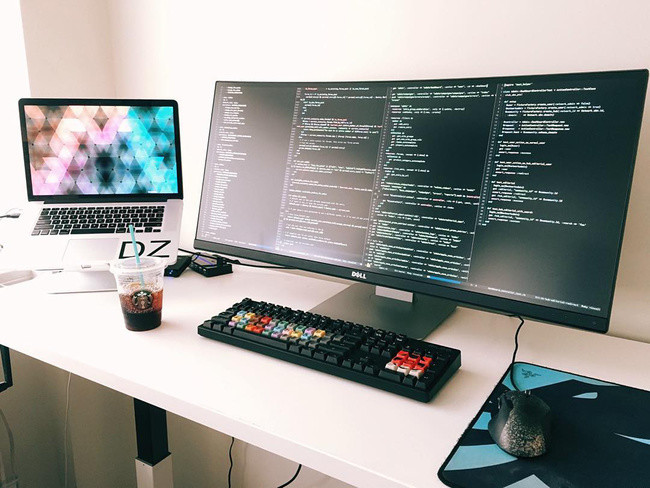
Ultra-panoramic monitors are and will be one of my weaknesses. From the first experiences up until now I must admit that it’s a format that I really like. For working with them as well as for consuming media or enjoying the latest PC games. For some weeks I’ve been testing the Asus ROG PF348Q, an ultra-panoramic monitor aimed at gamers.
This Asus display belongs to the ROG family (Republic of Gamers), which offers different solutions such as the PG278Q monitor or the more recent Asus GX7000 laptop which we analyzed here. Going back to one of its distinct features, for some, an ultra-panoramic panel might not seem attractive and they might prefer a 1080p monitor with lower response time and greater refresh speeds. This is totally valid since it’s a matter of personal taste, especially if you also want to use it for playing console games. But if you were looking for something different or you simply don’t want to use two monitors for an extended gaming setup then pay close attention.
Asus ROG PF348Q, specs
The tech specs of the Asus ROG PG348Q monitor are very similar to those of other screens on the market. The differences are, in addition to the curved panel that not all 21:9 include, in the refresh rate improvement which can reach 100Hz with turbo mode and the software extras for its configuration. Still, let’s review the most important ones.
Screen: Curved IPS (3800R radio)
Size: 34 inch
Resolution: 3440x1440p
Density of pixel: 109ppi
Refresh Rate: Up to 100Hz via DisplayPort and 50Hz over HDMI
Color reproduction: 10 bit
Contrast: 1.000:1
Brightness: 300 cd/m2
View angle: 178º
Response Time: 5ms
Connections: 1 x DisplayPort 1.2, 1 x HDMI 1.4, 4 x USB 3.0, handset / speaker output
Extras: Nvidia G-Sync technology, Flicker-Free backlight, HDCP, VESA support, different picture modes and other extras to enhance the gaming experience
A very gaming aesthetic
When you sit down in front of a monitor like its logical that you will be surprised at first. With its 34 inch display, the Asus ROG PG348Q doesn’t let down. It’s overwhelming to see that ultra-panoramic image right in front of your eyes. Of course it’s also a bit shocking if you’re used to 16:9 screens.
The “Join the Future of Play” event took place November 3rd, an event aimed at the press in order to show the new capabilities of the PS4 PRO in light of the release of the new console from Sony. We’ll tell you in detail what we saw, played and learned there.
We know that many of you have questions about the PS4 PRO, is it worth it if you don’t have a 4K TV? Is it worth it even I have a 4K TV but already have a PS4? We will try to answer all of your questions after the Join the Future of Play event organized in London focused on the press to observe first hand the capabilities of Sony’s new console. This is what we were able to discover and learn about the Pro model of the Playstation 4.
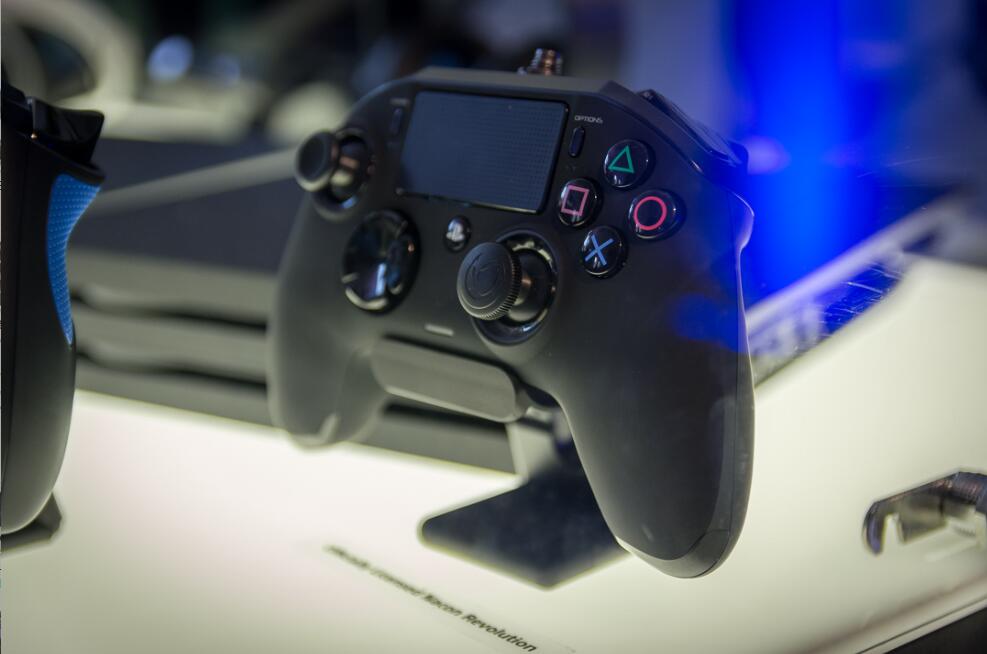
After a welcome we could admire the Playsation VR and its peripherals, as well as the PS4 Slim and Pro and the new official controllers from Razer and Nacon, they took us to a conference where they explained to us what HDR consists of and how the PS4 was going to improve the gaming experience with HDR like no other console had previously with Mike Somerset and Simon Rutter. They also gave us some technical specifications of the console: 4.2 F of power, Overclocking the GPU as well as the CPU, new dedicated Chips… After the presentations of Kazunori Yamauchi, creator of the GT Saga and Yosuke Hayashi, creator of Nioh and main designer of Team Ninja, we went on to what we were all waiting for, the games.
PS4 Pro and HDR
One of the main improvements to the PS4 is that it focuses on HDR. Xbox ONE S as well as PS4 have and will have compatibility with HDR, not but all HDRs are the same. Normal screens, like the ones most of us have at home, called SDR (standard dynamic range) can display a maximum of 100nits. A nit is a unit that measures color, contrast and brightness. The HDR supported by the PS4 and the Xbox ONE S is HDR1000, which can display 1000nits, 10 times as much as standard screens. In addition, PS4 PRO is compatible with the BT2020 system which is capable of displaying up to 10.000 nits, 10 times as much as the Xbox ONE S and 100 times more than normal screens.
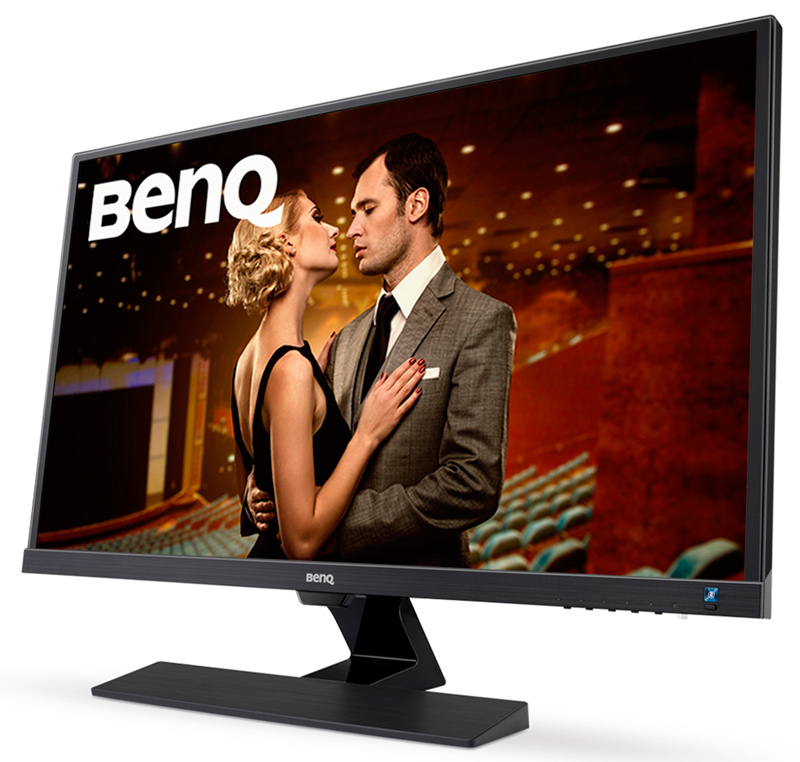
The EW3270ZL Eye-Care is a new 32 inches monitor with different technologies to make it more comfortable to the eye and avoid problems arising from long periods of use.
The functionalities related to “eye care” can be found in its LED lighting system without PWM to avoid micro-blinking and also in a lighting system adaptable via an ambient light sensor. Naturally, it includes a blue light filter in one of its modes of operation.
The panel used is an AMVA+ with 1.070 million colors and a resolution of 2560 x 1440 pixels with viewing angles of 178º both vertically and horizontally. Its response time reaches 4 ms GtG and features DisplayPort MiniDP HDMI and audio inputs for its two 3W speakers. Its price is still unknown.